 🌿 NATURE POWERED WELLNESS — BACKED BY SCIENCE
Postpartum Recovery in Ayurveda: How Dashmool & Shatavari Help Women Heal
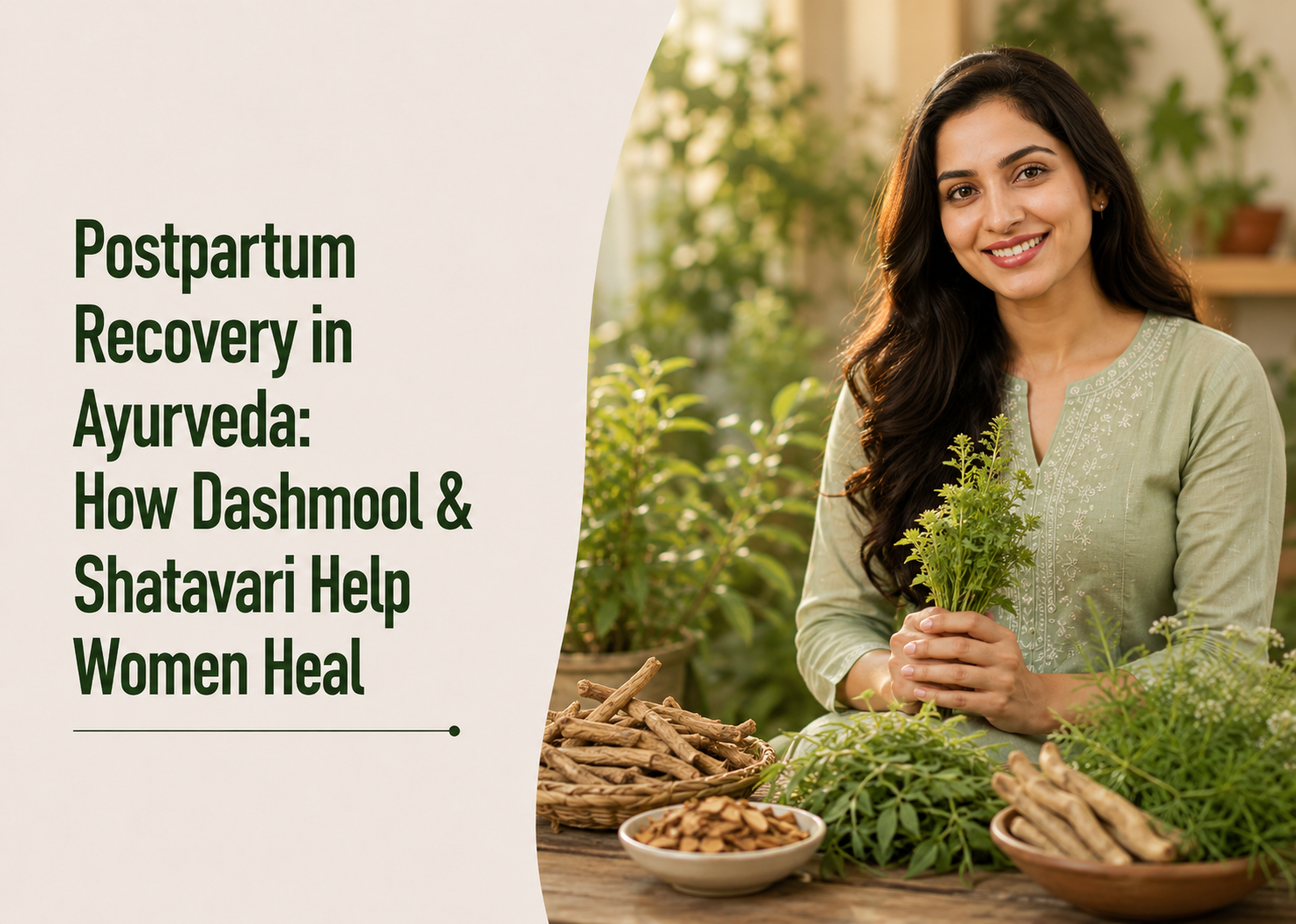
The postpartum period is one of the most important phases in a woman’s life. After childbirth, the body begins a natural healing process that involves physical recovery, hormonal adjustments, emotional changes, and rebuilding strength. During this time, new mothers may experience tiredness, weakness, body discomfort, mood fluctuations, and reduced energy levels as the body adapts to its new stage.
Ayurveda places great importance on postpartum care, known as Sutika Paricharya, which focuses on restoring balance, nourishing the body, and supporting long-term reproductive health through proper nutrition, rest, and herbal support.
GYNICARE Syrup is formulated with traditional Ayurvedic herbs such as Dashmool, Shatavari, Ashok Chaal, Lodhra, Nagkesar, Rohitak, Daruhaldi, Khus, Devdar, and Jirak. Together, these herbs help support women’s wellness, reproductive health, and overall recovery as part of a balanced lifestyle.
Understanding Postpartum Recovery in Ayurveda
According to Ayurveda, childbirth naturally increases Vata dosha, which governs movement, the nervous system, and tissue recovery. When Vata becomes aggravated after delivery, women may experience:
- Physical weakness and fatigue
- Body aches and joint discomfort
- Emotional imbalance
- Dryness in tissues
- Reduced stamina
- Lower energy levels
The Ayurvedic approach focuses on calming Vata, rebuilding body tissues, and restoring overall balance gradually.
Why Postpartum Care Is Important
Proper recovery after childbirth helps support a woman’s overall health and wellbeing.
Ayurvedic postpartum care focuses on:
- Restoring physical strength
- Supporting reproductive wellness
- Nourishing body tissues
- Maintaining hormonal harmony
- Promoting long-term vitality
- Supporting emotional wellbeing
A consistent recovery routine can help women regain confidence and energy while adapting to motherhood.
Dashmool: The Traditional Foundation of Postpartum Care
Dashmool is one of Ayurveda’s most respected classical formulations. The name means “ten roots,” referring to a combination of ten medicinal plant roots traditionally used to promote strength and restore balance after childbirth.
How Dashmool Supports Recovery
Helps Restore Physical Strength
Childbirth places significant demands on the body. Dashmool is traditionally used to help rebuild strength and support overall recovery during the postpartum phase.
Supports Uterine Wellness
Dashmool is valued in Ayurveda for helping maintain uterine health and supporting the body’s natural healing process after delivery.
Promotes Comfort
Traditionally, Dashmool has been included in postpartum care to support comfort by helping maintain balanced Vata and easing general body discomfort.
Helps Balance Vata Dosha
Balancing Vata is one of the primary goals of postpartum Ayurvedic care, and Dashmool plays an important role in this process.
Shatavari: Ayurveda’s Nourishing Herb for Women
Shatavari is widely known as one of the most important Ayurvedic herbs for women’s health. It is classified as a Rasayana, meaning a rejuvenating herb that supports long-term vitality and nourishment.
Benefits of Shatavari After Childbirth
Supports Hormonal Balance
Shatavari helps nourish the reproductive system and supports the body’s natural hormonal balance during the recovery phase.
Restores Energy Naturally
The herb is traditionally used to help improve stamina and reduce feelings of tiredness by supporting overall nourishment.
Nourishes Reproductive Tissues
Ayurveda values Shatavari for promoting healthy reproductive tissue nourishment and supporting women’s wellness over time.
Supports Emotional Wellbeing
The postpartum period can bring emotional changes. Shatavari is traditionally believed to have calming properties that support mental and emotional balance.
Why Dashmool and Shatavari Work Well Together
Ayurveda often combines herbs because they complement each other’s actions and provide more balanced support.
Dashmool Focuses On
- Restoring body strength
- Supporting recovery after childbirth
- Balancing Vata
- Promoting physical comfort
Shatavari Focuses On
- Nourishing reproductive tissues
- Supporting hormonal harmony
- Restoring vitality
- Promoting overall women’s wellness
Together, they create a balanced combination that supports both physical recovery and long-term reproductive health.
How GYNICARE Syrup Supports Postpartum Wellness
GYNICARE Syrup combines Dashmool and Shatavari with several traditional Ayurvedic herbs to provide comprehensive support for women’s health.
The formulation includes:
Ashok Chaal
Traditionally supports uterine wellness and menstrual health.
Lodhra
Helps maintain reproductive tissue tone and internal balance.
Nagkesar
Supports menstrual and reproductive wellness.
Rohitak & Daruhaldi
Traditionally used to support healthy metabolism and internal cleansing.
Khus & Devdar
Known for promoting overall balance and supporting wellbeing.
Together, these herbs create a holistic Ayurvedic formulation designed to complement postpartum recovery.
Ayurveda’s Holistic Approach to Recovery
Rather than focusing only on temporary relief, Ayurveda aims to restore the body’s natural balance through nourishment and healthy daily habits.
The postpartum approach includes supporting:
Dhatu (Body Tissue) Nourishment
Healthy tissues are essential for long-term recovery and vitality.
Agni (Digestive Fire)
Good digestion supports nutrient absorption, which is important during recovery.
Dosha Balance
Maintaining balanced Vata, Pitta, and Kapha contributes to overall wellbeing.
Energy and Vitality
Gradual restoration of strength helps women return to daily activities with confidence.
Healthy Lifestyle Habits for Postpartum Recovery
Herbal support works best when combined with healthy daily practices.
Eat Warm, Nourishing Foods
Choose meals that are easy to digest, such as:
- Fresh home-cooked food
- Soups
- Whole grains
- Fruits and vegetables
- Adequate hydration
Prioritize Rest
Sleep and relaxation allow the body to recover naturally.
Try to:
- Get adequate sleep whenever possible
- Avoid excessive physical strain
- Allow time for healing
Gentle Physical Activity
After medical approval, light movement may support circulation and overall wellbeing.
Activities may include:
- Walking
- Gentle stretching
- Postnatal yoga
- Breathing exercises
Manage Stress
Creating a calm and supportive environment can contribute to emotional wellness during the postpartum period.
Simple practices include:
- Meditation
- Deep breathing
- Spending time with loved ones
- Relaxation techniques
Why Herbal Support Is Valued After Childbirth
Ayurvedic herbs have been traditionally used for generations to support women through different stages of life, including postpartum recovery.
A balanced formulation like GYNICARE Syrup combines multiple herbs that work together to:
- Support reproductive wellness
- Promote tissue nourishment
- Encourage natural hormonal balance
- Help restore strength and vitality
- Complement healthy lifestyle practices
Frequently Asked Questions (FAQs)
Ayurveda considers the postpartum period essential for restoring Vata balance, rebuilding body tissues, supporting reproductive health, and promoting long-term wellbeing.
Dashmool is traditionally used to support physical recovery, promote comfort, help restore strength, and maintain balance during the postpartum phase.
Shatavari is known for nourishing reproductive tissues, supporting natural hormonal balance, promoting vitality, and contributing to overall women’s wellness.
GYNICARE Syrup contains traditional Ayurvedic herbs that support women’s reproductive wellness. It should be used according to the advice of a qualified healthcare professional, especially during the postpartum period.